
Agents
The OS Context Broker: The Next Big Thing in AI?
Every AI tool keeps a partial copy of you. Moving context to the OS would end the duplication, if injection and self-preference can be handled.

Every AI tool keeps a partial copy of you. Moving context to the OS would end the duplication, if injection and self-preference can be handled.

AgentOps: the registry, observability, evaluation, governance, and cost layers that keep production AI agents reliable and accountable.
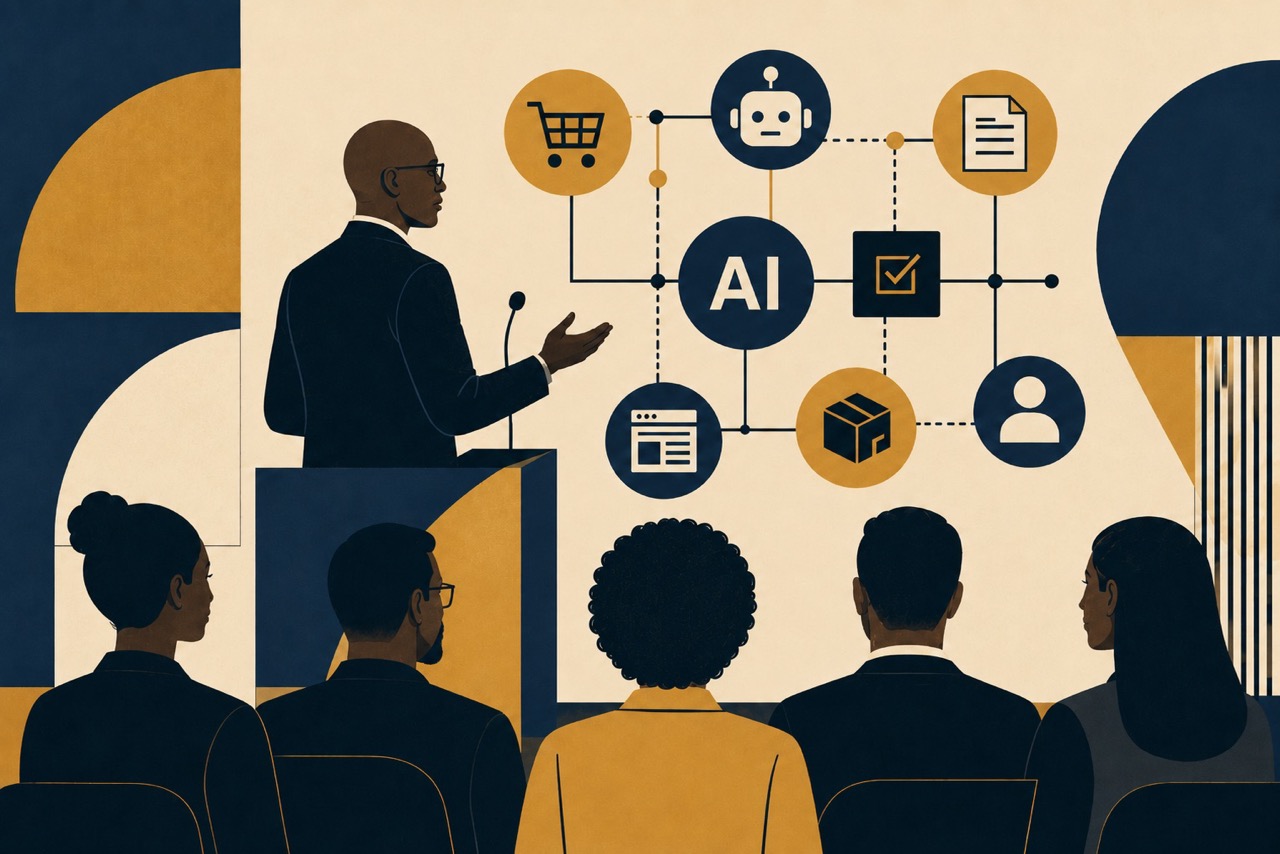
A topic-by-topic guide to the best AI speakers in the UK, from agentic AI and workflows to deepfakes, governance, and copyright.

B2B agentic procurement sounds simple in a demo, but contracts, approval chains, and pricing opacity make it harder. Here’s what procurement teams should do now.

How IT infrastructure engineers in banking use AI: research, deployment planning, and source-checked troubleshooting inside on-prem constraints.

What @Claude Tag means for enterprise lock-in and pricing, plus the Salesforce and Microsoft agents already inside Slack and Teams.

Who accounts for the tax when an AI shopping agent buys for you? Inside attribution, stacked instruments, cross-border VAT, and the agentic commerce levy.

An AI agent shops with your money, but whose rules does it follow? Inside the defaults, ranking functions, and conflicts behind agentic commerce governance.

When an AI agent buys the wrong thing, who pays? Inside chargebacks, Section 75, the CMA, AB 316, AI insurance, and the new dispute protocols.

Agentic commerce needs more than spend limits. Every agent must prove who it is, who sent it, what it can do, and which human, account, card, and rules bind the transaction.

AI recommendation poisoning hides instructions in buttons, blog copy, and product pages to bias what your AI recommends. How it works, why it sucks, and how to defend against it.

From fabricated evidence to biased facial recognition, here’s what AI hallucination costs law enforcement, and how police forces can use AI safely.

What breaks when AI agents act on their own? A field guide to agentic AI failure modes and the design habits that stop silent failures.
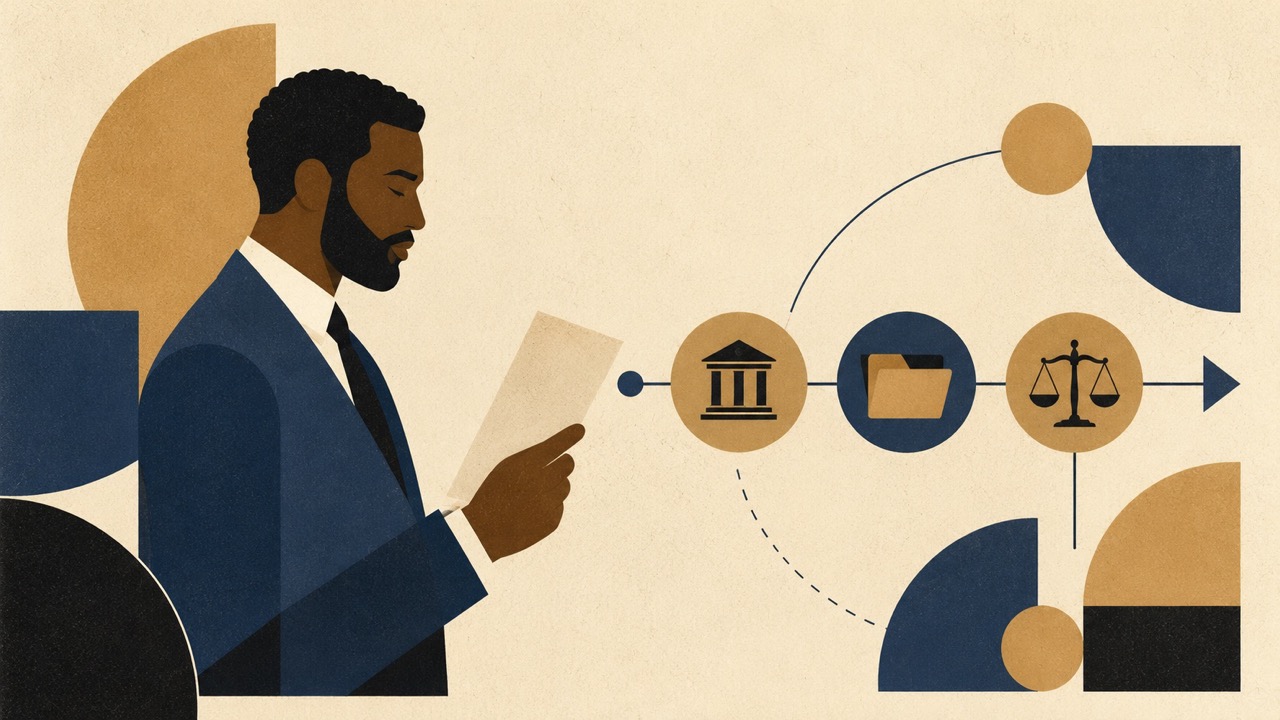
Seven legal workflows AI handles well, the legal work it shouldn’t own, and a readiness map for law firms adopting AI tools safely.

An AI agent reasons, calls tools, and acts toward a goal on its own. Learn how agents work, see three examples, and find out when to use one.

70% of public servants use AI outside approved channels. For finance teams handling taxpayer data, that creates measurable breach risk.

RPA built healthcare automation, and agentic AI now extends it. Understand where each fits, the governance risks, and what to do with current RPA software investments.

An analysis of 67 US LinkedIn listings reveals what employers actually want from a Chief AI Officer. Includes a copy-paste CAIO job description template, salary benchmarks, and the seven role types behind the title.

Most teams govern every AI agent the same way. The agentic AI autonomy spectrum shows why each autonomy level needs different controls.

Agencies can use AI to move faster, but adoption brings risks around review, data, pricing, training, and client expectations.

Agentic AI governance in regulated enterprise applications spans decision authority, audit trails, compliance mapping, and operational oversight.

Five questions to put to any agentic AI vendor before you sign, built for support leaders who own CSAT, NPS, and the CX budget.

Conway’s Law predicts your agentic AI will mirror your team structure. Learn the inverse Conway maneuver to deploy AI that holds up.

Agentic AI plans, decides, and executes. Here’s how an agentic AI strategy reshapes use case selection, governance, workforce, and measurement.

Enterprise AI adoption challenges include poor data, weak strategy, lagging ROI, shadow AI, harmful tools, and weak AI governance.

Agentic AI systems already run in production. Here’s what current governance frameworks cover, what they leave open, and what organisations build before deployment.

Shadow AI usage occurs when organisations demand productivity, restrict AI tools, and skip training, governance, and risk management.

Agentic AI templates promise speed, but often deliver inherited debt. Here’s what workflow inheritance really costs—and what the maintenance phase will demand.

ISO 42001 is the first international standard for AI governance. Here’s what it is, how it works, and what certification involves.

Most organisations have AI governance policies that don’t match how employees actually use AI. Here’s what the gap looks like and how to close it.

Your content marketing team adopted AI and now you’re producing mediocre work faster. Here’s why that happens and what better implementation looks like.