
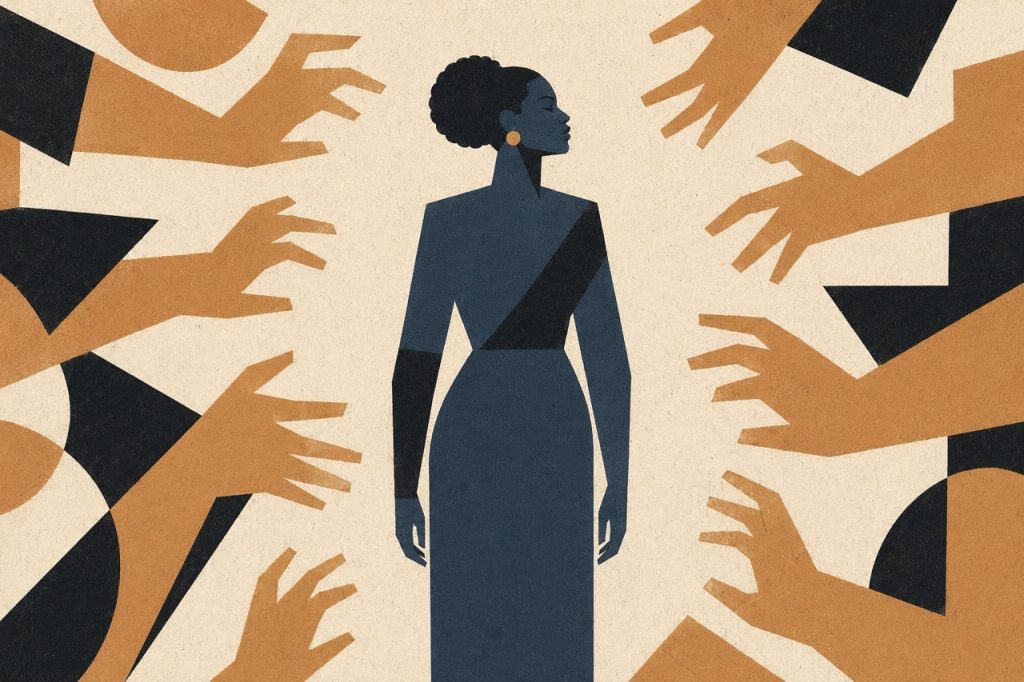

I recently published an essay arguing that the obsession with proving a human wrote every word is daft. The response revealed something stranger than the fear of AI; stranger than the accusations that anyone using a language model must have typed a prompt and gone for lunch; stranger even than the forensic squad announcing they could detect machine-written paragraphs by staring very hard at the commas. Beneath all of it ran a belief that good work must cost the person who made it, that effort only counts when it leaves bruises, and that readers are cheated if the writer didn’t crawl to the end on bloodied knees.
Why do you need creators to suffer?
We’ve carried the idea of the starving painter, alcoholic novelist, and destitute musician for centuries. Entrepreneurs aren’t exempt: we laud the founder sleeping under his desk but denounce the worker who goes home at six for lacking devotion, right before firing her. We speak admiringly about blood, sweat, and tears because it makes for excellent documentary footage. Judgment, patience, taste, restraint, and experience happen inside the skull, so we reach for pain as evidence something important occurred.
Writing is especially scrutinised. People want proof of effort, to know the writer struggled over the opening, deleted twelve versions, doubted their intelligence, and finally produced 1,200 words with the haunted expression of someone returning from war. The article may be dull, repetitive, badly argued, and held together by caffeine and self-pity, but the suffering authenticates it. Another person can arrive with a strong idea, speak it aloud, use AI to test the argument, reject weak drafts, repair the structure, check the claims, and publish something that makes the reader think, and we’ll look upon them with suspicion. The machine reduced the visible pain, and we can’t have that.
This is like a man who refuses to enjoy dinner unless his wife suffered making it. The food can taste excellent, nourish him, and introduce him to new flavours; she may have bought it from a restaurant, traded dishes with a neighbour, or used an appliance to prepare most of it, but none of that counts. He needs to imagine her standing over a hot stove, wiping sweat from her brow, turning three pots at once for several hours so he can taste the love.
What kind of kink is that?
Maybe she can’t cook! Maybe she hates cooking. Maybe she has work to finish, children to collect, or a book to read. Maybe he’s a grown-ass man with hands, money, and access to the same kitchen; yet the meal feels less meaningful because her inconvenience is part of his meal order.
AI-powered writing gets the same hostility. The reader wants evidence somebody paid enough for the privilege of presenting an argument. Anyone who finds a faster route has dodged the toll booth, and the crowd starts shouting from the queue.
The debt never ends
A writer could spend twenty years learning cadence, structure, and voice; publish millions of words by hand, building an audience sentence by sentence; then decide to use AI as part of the process. None of that would matter in the eyes of the critics.
And writers aren’t the only targets.
Stephen King could train a system on his enormous body of work, shaping every scene and rejecting every poor suggestion himself, and they’d still accuse him of cheating. Martin Scorsese gave 65 years of his life to film and they excoriated him for even breathing about AI. Linus Torvalds worked on Linux for 34 years and still had to defend himself against AI critics.
Each of these artists, creators, and innovators already paid their dues many times over, yet the bill renews each morning because the audience doesn’t want accumulated mastery to buy freedom; it wants another payment.
Prolific
High output is also suspicious. Publish a hundred pieces in two months, and someone will declare those pieces can’t possibly be good, usually without identifying a single false claim or weak argument. The critic can’t produce that much themselves, therefore nobody else could produce that much properly. Their own limits become a universal benchmark.
We see this happen whenever tech turns scarcity into abundance. A tractor farmer harvests more than his neighbour with a hoe. A digital photographer takes more pictures than an analogue shooter. Coding with frameworks and SDKs is faster than writing from scratch. In each of these cases, we inspect the harvest, photograph, or software itself for quality, but writing retains an odd priesthood that asks how long the candle burned, how sore your wrist became, and whether you experienced enough despair before publishing.
And so we have a problem: if previous labour can’t reduce future labour, and proven skill can’t permit efficiency, and prolific output is suspicious, then quality was never the standard. Suffering was.
Entitlement
Readers owe writers nothing. Readers can close the tab after three words, ignore the work, dislike it, mock it, or refuse anything produced with AI—they’re well within their rights. Writers have published brilliant work nobody read, while mediocre work has filled stadiums, topped lists, and made fortunes. Attention has never been a dependable measure of quality. Death often improves an artist’s reputation because the audience can finally consume the work unburdened, with no living person left to collect the money, dispute the interpretation, or ruin the romance by appearing comfortable.
But the freedom runs both ways. Writers don’t owe readers a preferred production ritual. We don’t owe them cramped hands, ruined weekends, midnight panic, or years spent proving we could’ve completed the work less efficiently (or more ‘artisanally’). We show care in the decisions, deletions, revisions, and willingness to stand behind the result. Pain adds nothing by itself.
If you can’t enjoy art until you know the artist suffered, maybe you don’t love the art. Maybe you just love seeing suffering.